Sears: How new U.S. tariffs are threatening one small Ottawa artisan
When my wife set up her Etsy shop,
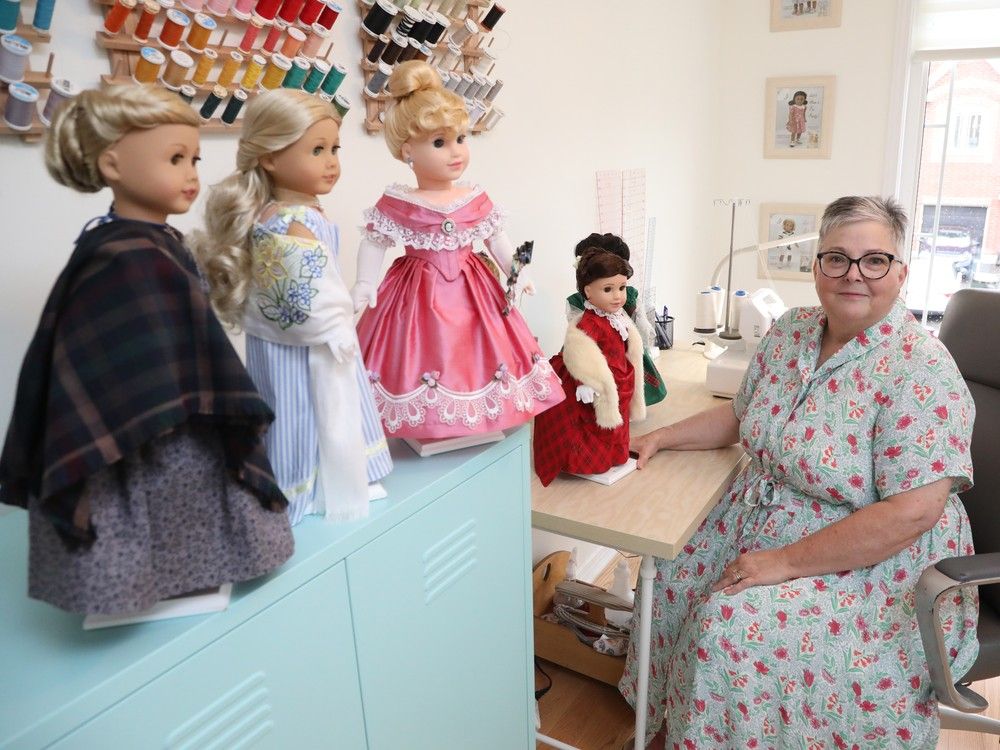
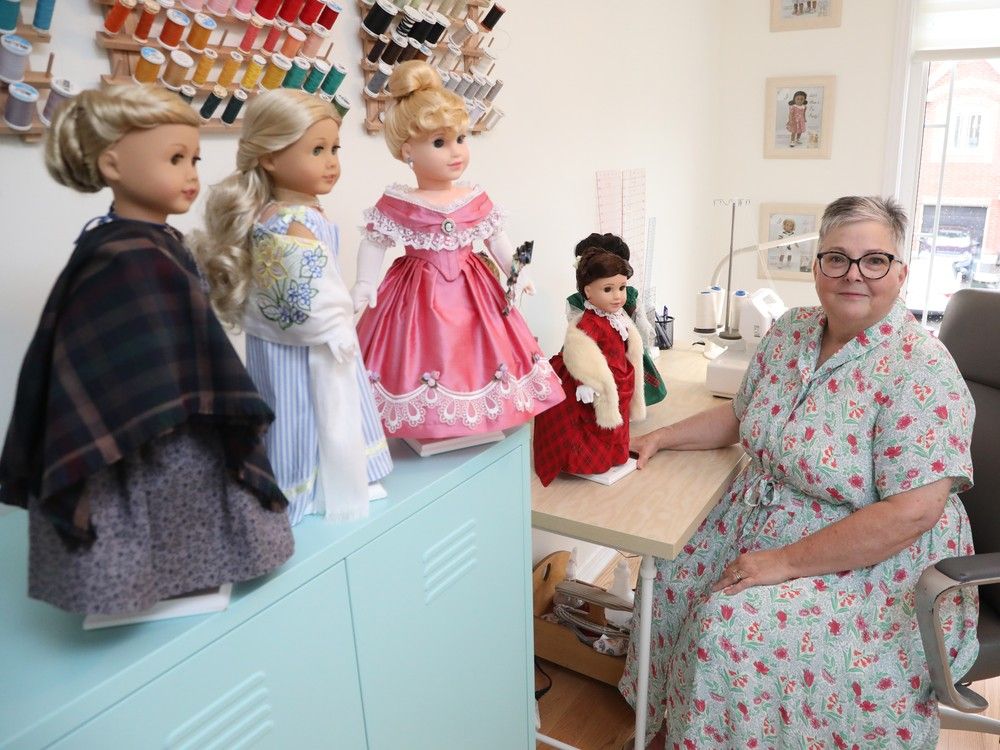
, it wasn’t about making a fortune. She has always loved historical fashion. Sewing doll dresses in the styles of centuries past gave her joy, purpose and a way to stay mentally active in her later years. The fact that it paid for the weekly groceries was a welcome bonus.
Almost all of her customers are in the United States. They come to Etsy looking for unique, handmade pieces they cannot find in stores. A doll in a gown inspired by Regency England or Edwardian Canada is not something you can order on Amazon. These are labours of love, stitched by hand in Ottawa and shipped across the border in small parcels worth $150 U.S. to $250 U.S.
Until now, those packages entered the United States duty-free under a long-standing “de minimis” exemption that allowed shipments under $800 to bypass customs duties. That exemption
by President Donald Trump’s executive order, effective Aug. 29. The new rules mean that every parcel my wife sends to her U.S. customers will attract tariffs of 35 per cent — plus, in the short term, a flat $80 fee on some postal shipments.
The impact will be devastating. Few U.S. customers will want to pay a duty of $70 on a $200 dress. Canadian artisans such as my wife cannot simply absorb the cost either; their margins are thin, and their businesses are small-scale labours of passion, not high-volume operations.
The irony is that this change was sold to Americans as a way to crack down on cheap mass imports from China, particularly clothing giants such as Shein and Temu. But the collateral damage will be borne by Canadian micro-exporters: ordinary people sewing in their basements, woodworking in their garages, or making jewelry at their kitchen tables.
And beyond the financial hit, the system itself is bewilderingly complex. Small, home-based sellers who simply want to send a handmade item to a customer now have to navigate tariff codes, shifting duty calculations and carrier rules that even trade lawyers find confusing. For a retiree sewing doll dresses or an artisan crafting jewelry, this level of bureaucracy is overwhelming.
For years, Canadian artisans enjoyed one rare advantage in the U.S. marketplace: thanks to America’s $800 de minimis threshold, their handmade goods could enter duty-free, while U.S. sellers shipping north faced much lower Canadian thresholds. That advantage is now gone. By eliminating the de minimis exemption globally, Washington has wiped away the one policy that gave Canada’s smallest exporters a fair chance with U.S. customers.
What’s at stake here is not just a handful of hobbyists. Statistics Canada estimates there are more than 200,000 artists in Canada, and thousands of them are artisans and craftspeople who sell through online platforms such as Etsy. According to the Canadian Federation of Independent Business, one-third of small exporters rely on the U.S. de minimis exemption. Many of these are women-led, home-based businesses supplementing family income and preserving cultural traditions.
If Canadian artisans lose their U.S. customers, we all lose. We lose a trade relationship built on trust, we lose part of our cultural fabric, and we lose the entrepreneurial spirit that drives local communities.
Canada’s government should push Washington for a fair carve-out for North American artisans under CUSMA — a “micro-exporter lane” that preserves duty-free treatment for genuine small-scale handmade goods. Otherwise, ordinary makers will be swept aside in a trade war they never asked for.
My wife never set out to become an exporter. She just wanted to sew beautiful clothes for dolls, to share her love of history and to keep her mind sharp. But now her passion — and the passions of thousands of Canadians like her — could become the latest casualty of geopolitics.
Garry Sears is a management consultant in Kanata. His wife runs a small Etsy shop creating historical doll dresses.