

Deachman: Ottawa’s snow removal standards are bad, with no plans on getting better
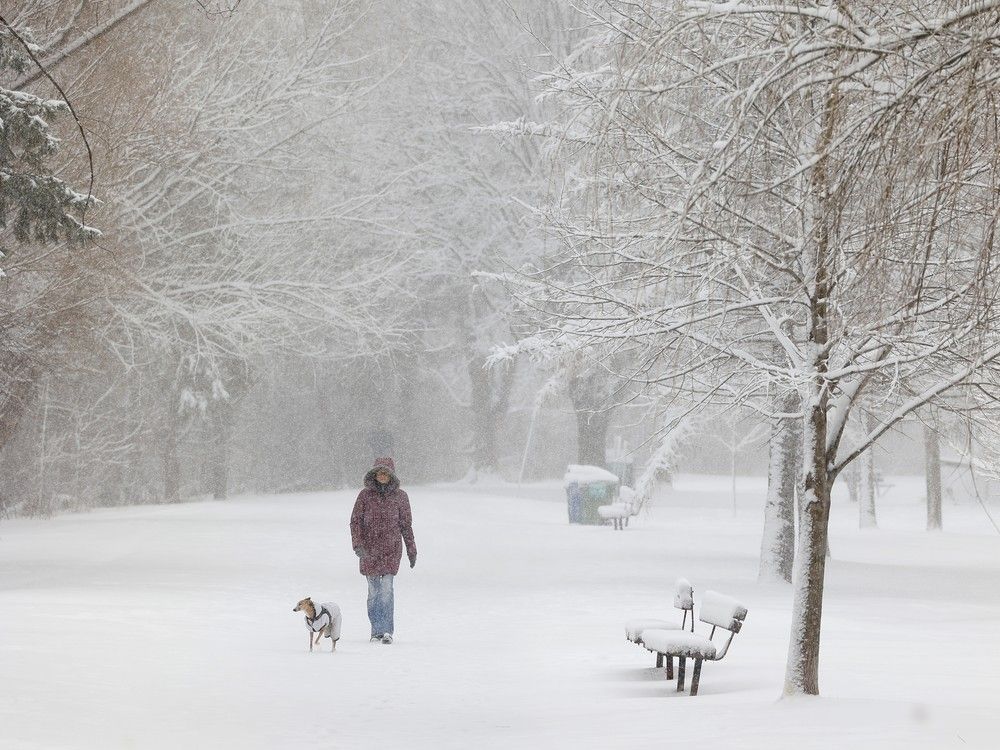
There are two basic and immutable expectations upon which Ottawa residents insist: we don’t want our property taxes increased, and we want snow removed from our streets and sidewalks, quickly and reliably. Deliver those and a mayor or councillor can do just about anything else.
So when the city launched a six-year review of its
Winter Maintenance Quality Standards
(WMQS) in 2019 with a promise to deliver updated standards to council in 2021, residents reasonably expected that to happen. After all, the standards about how, when and where snow is removed hadn’t been updated since 2003.
Ottawa’s climate, however, has changed dramatically since then — more freeze/thaw cycles, more freezing rain, more rain-on-snow. Meanwhile, residents’ mobility habits were shifting, too: more walking, more transit, more cycling, and a growing interest in creating and
living in 15-minute neighbourhoods
. It made sense that the city should re-examine how it was doing things.
And in some ways, it has. It began plowing sidewalks 24/7. It undertook a pilot project to clear the steps of the
Flora and Corktown footbridges
. It is alternating the start and end points of snowplow routes on residential streets, so the first will (sometimes) be last, and the last (just as often) first. It has designated areas where the public can park their cars when there are weather-related parking bans. This year, large plows will be fitted with rubber-edged blades to provide a cleaner scrape with less noise.
These are not to be discounted, but they are operational changes, not adjustments to the standards themselves — the baseline level of service the city has promised to meet. If next year the city decides not to shovel the Flora bridge steps or stops running sidewalk plows overnight, there’s nothing codified that will prevent that. And that matters because the city’s own documentation indicates the WMQS are out of date.
One consultant’s report from 2020 said it was prudent to update the standards to support the shift in demand by the public for “accessibility, mobility, equity, the environment, Climate Change and Active Transportation facilities, including sidewalks, cycling facilities and multi-use paths.” A subsequent report following public consultations in 2021 said the same, noting “pressing issues like climate change, accessibility and gender equity that were not considered in the 2003 standards.”
It’s especially noticeable in the urban core, where councillors say residents’ experiences don’t match the city’s claim that the status quo is largely working.
“We’re just not doing basic maintenance properly,” says Somerset Ward’s Ariel Troster. “They might say that they’re meeting the highest standard possible downtown, but it’s not good enough for most residents.
“When we’re asking people to live in a denser urban environment, they need to be able to walk safely without falling and hurting themselves. You need to have bus stops and transfer stations dug out and given priority.”
Changing the standards would certainly improve conditions. Is it still reasonable that bus stops will only start to be cleared 24 hours “after the last snowflake has fallen in a storm,” as was determined more than two decades ago? Or that residential sidewalks will be attended to between 12 and 16 hours after the aforementioned last flake hits the ground? Shouldn’t sidewalks enjoy the same bare-pavement standard that roads do? The city seems to think things are largely fine as is.
“People don’t necessarily drive to the store,” says Kitchissippi Ward councillor Jeff Leiper. “Our butcher, the pasta shop, the grocery store — they’re all accessible on foot. It makes sense to have clear sidewalks to facilitate
.”
The city, meanwhile, often points to the fact that its standards exceed the province’s requirements for municipalities, as if that’s something to brag about.
But a six-page memo sent by public works GM Alain Gonthier to council two weeks ago concedes in the same breath that the province’s regulations “are primarily intended to provide legal protections rather than address infrastructure preservation, quality of life, or local climate conditions.”
The real purpose of Gonthier’s memo was to tell council that, following the department’s “comprehensive” review of operations over the last six years, residents seem generally pleased, and so no changes to the standards — which the memo says are just a “guideline” anyway — are being proposed.
Capital Ward councillor Shawn Menard was disappointed. “This is the first time they’ve said that they’re not going to update it at all,” he said. “Every other time it has just been we will update it, but it’s going to be next year. And that has been going on for four years now.”
Some of the rationale for the city’s decision not to move forward with updates can be found buried in a single paragraph on the memo’s fourth page: “It is also recognized that any increase to service standards would add sustained financial pressures and have operational implications for Public Works. As outlined in the City’s 2026 Budget Directions, the focus of all departments is on prudent financial management and focusing on delivering service improvements while reducing growth pressures.”
Menard believes that standards upgrades have been investigated but that financial constraints have prevented staff from recommending them. “Some of them may cost more, but that’s not for them to decide,” he says. “That’s council’s decision and committee’s decision.”
The decision to kick standards updates down the road, Leiper adds, points to the city’s underfunding of essential services. “This is a textbook example of how underfunding city services is stretching the city too thin. People should have a right to expect clear sidewalks.”
Troster agrees: “I don’t blame staff,” she says. “They’re working with the resources that we give them, but I just don’t think we’re giving them enough resources.”
In other words, the standards aren’t being kept where they are because they work. They’re being kept there because raising them would cost money that the city isn’t prepared to spend. And as long as that approach is maintained, residents will continue to navigate (or not) sidewalks, crossings, snowbanks and bus stops that more resemble obstacle courses than the basic civic services a winter capital should be delivering.
Related
Our website is your destination for up-to-the-minute news, so make sure to bookmark our homepage and sign up for our newsletters so we can keep you informed.
