
Ottawa councillors approve five-per-cent police budget increase
Ottawa city council has voted overwhelmingly in favour of a five-per-cent increase to the
— the largest in a decade.
The increase will add $36 more to the tax bill for an average assessment of $415,000,
bringing Ottawa’s total 2026 net operating budget to $414.9 million
and increasing the city’s contribution to police by $26.2 million.
About 85 per cent of that money will go towards compensation.
and the implementation of a new district policing model and a pilot program that will see officers in the Ottawa Police Service crisis intervention team outfitted with 30 body-worn cameras.
In stating their support for the budget, some councillors cited
auditor general Nathalie Gougeon’s report
that concluded current front-line police deployment was “based on outdated targets” and didn’t reflect factors such as population growth, urban expansion and the escalating opioid and mental health crises.
“We know that crime is changing,” Riverside South and Findlay Creek Coun. Steve Desroches said.
“We are seeing more cyber crime, more fraud schemes that deliberately target seniors, continued guns and gangs activity and more organized criminal networks,” he said. “Large demonstrations of major events create additional pressures. These issues require specialized expertise, modern technology and stable staffing. This is why the conversation is not about defunding the police, it’s about investing wisely to ensure that they have the tools, training and deployment practices needed to deliver real results.”
Councillors also cited concerns from ward residents on issues such as speeding and street racing, especially after the Ontario government
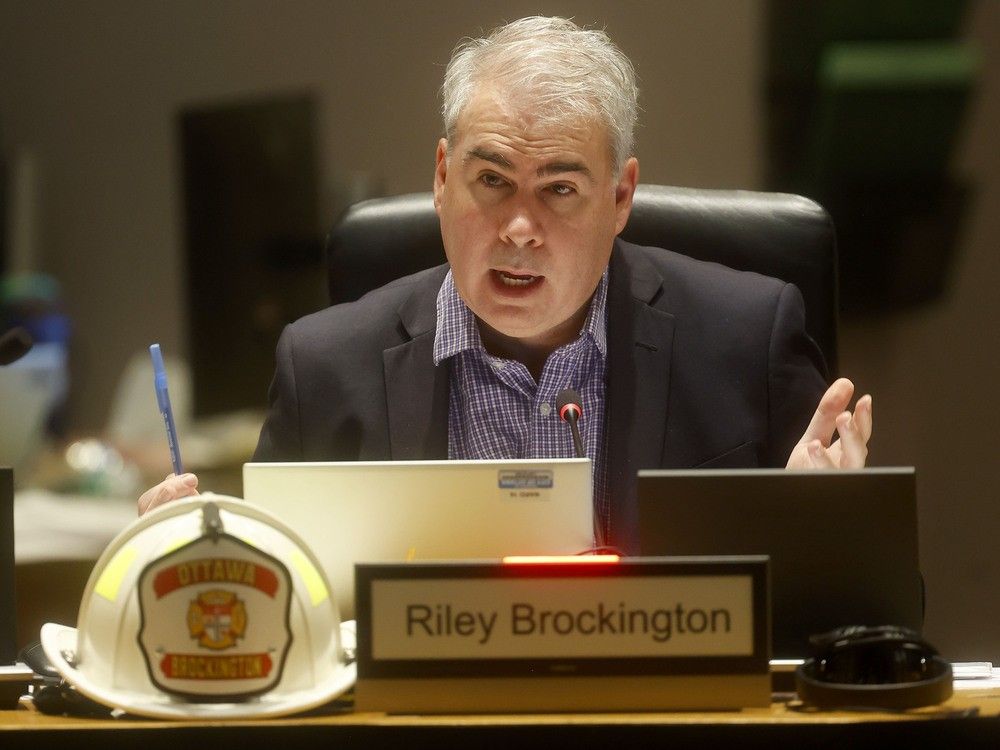
“There is a heightening expectation police will be able to be one very street corner,” Coun. Riley Brockington said. “2026 may be challenging to meet the community’s expectations when it comes to speed enforcement.”
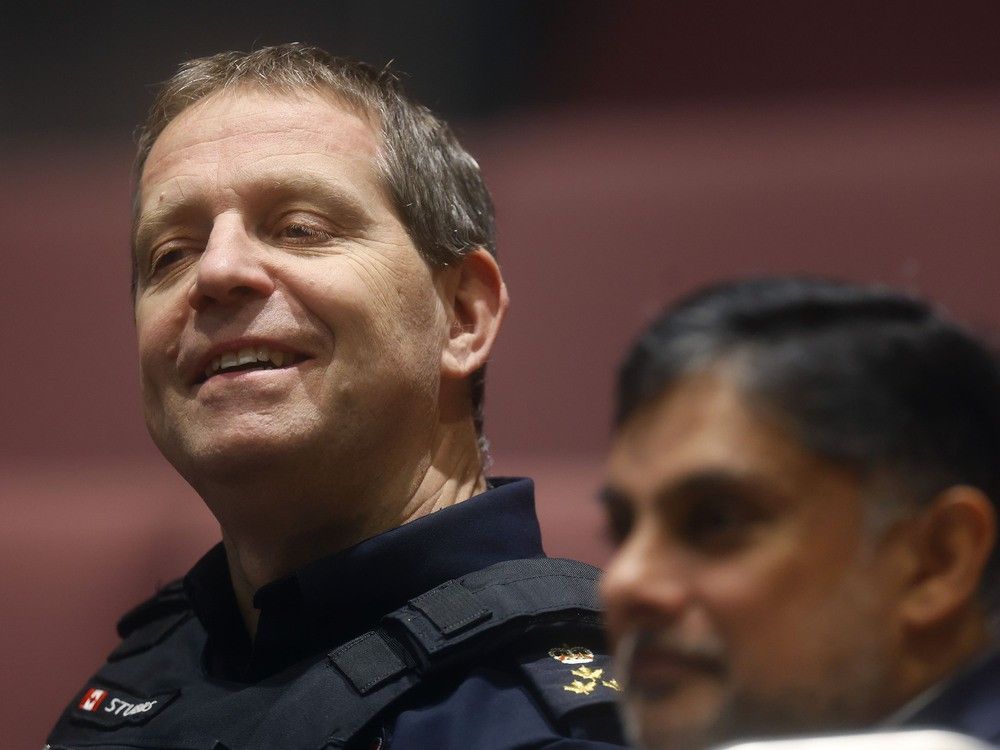
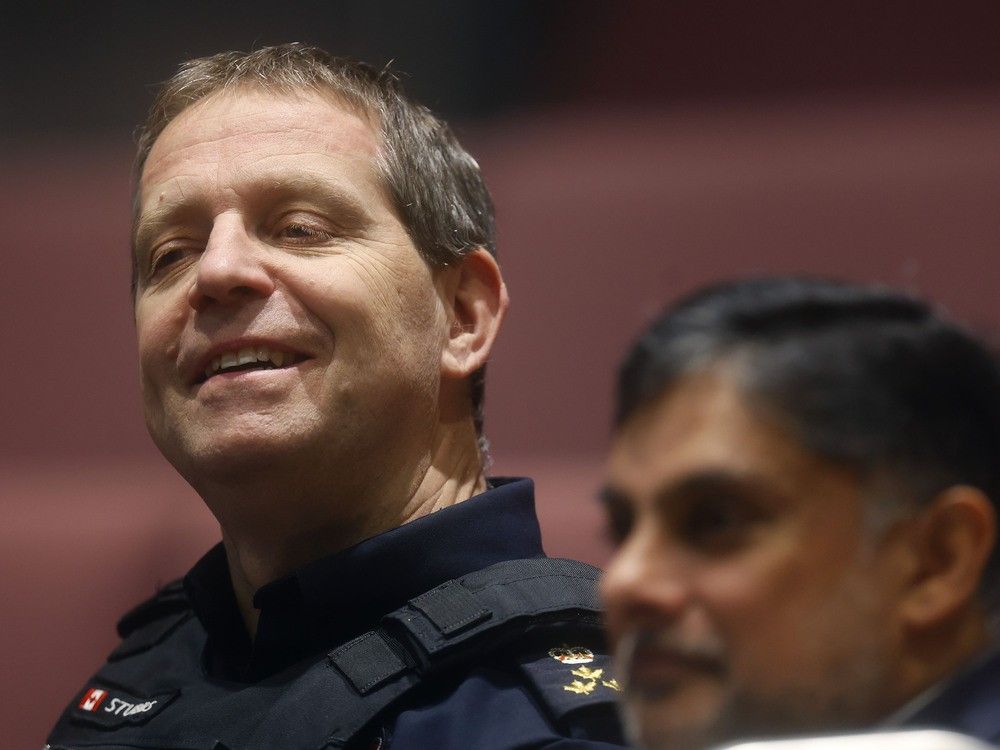
Ottawa Police Chief Eric Stubbs told councillors that OPS was launching new traffic units as of Dec. 15, but warned that the new units couldn’t replace the cameras.
“We need to have presence in those areas because they are community safety zones,” Stubbs said. “We know those areas are vulnerable. We have to make sure we have the presence. We have to be more strategic with our finite resources.”
Police must also deal with other shifting issues, an increase in the vulnerable population, including people who are coming from outside Ottawa, organized crime, smash-and-grabs, cyber crime and fraud, councillors heard.
“Year-to-date, we have had over 6,500 fraud calls,” Stubbs said. “That’s a lot. We have a team of 10 to deal with 6,500 calls.”
Only five councillors — Laine Johnson, Shawn Menard, Rawlson King, Jessica Bradley and Ariel Troster — voted against the increase to the police budget.
“I don’t know if more money equals less crime,” Menard said.
Knoxdale-Merivale Coun. Sean Devine said he was grappling with the issue, but had decided to support the police budget.
“That’s not necessarily because I think that the police are more deserving of a five-per-cent increase than other departments getting a two-per-cent increase, but rather because the OPS are in a better position to ask and receive such an increase,” Devine said.
Devine said he did a ward budget survey and received 650 responses, with the police budget ranked nowhere near the top priority across all age demographics. “Without a doubt, the highest priority in my ward, across all demographics, was greater spending on repairs and upgrades to city infrastructure,” he said.
Barrhaven West Coun. David Hill and Kitchissippi Coun. Jeff Leiper, who announced in June that he intended to run for mayor in 2026, traded jabs about a
following the death of George Floyd, a Black man in Minnesota, which sparked protests over excessive use of force by police. In that op ed, Leiper said resources could be diverted from policing to measures of ensuring community safety, such as housing and health.
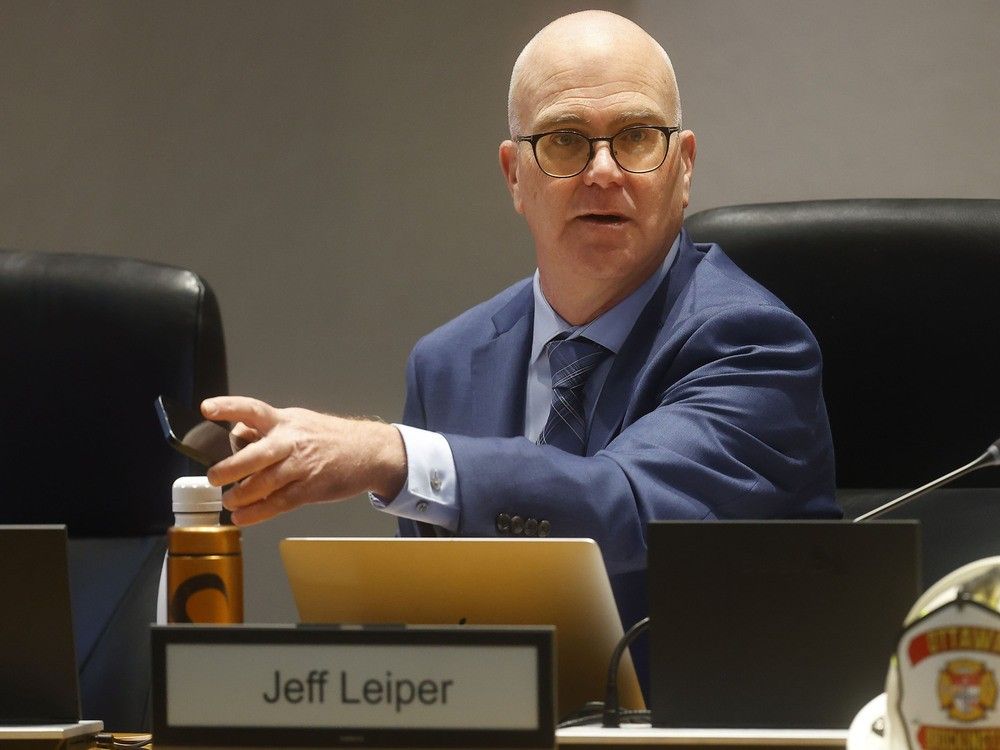
Leiper, who voted in favour of the 2026 Ottawa police budget, said at the time he wrote the op ed
councillors were under intense pressure to reduce funding to police, even to defund them, and he wanted to provide an overview of how police funding actually worked.
In making his decision on how to vote, Leiper said he had listened to residents in urban, suburban and rural wards. It was
clear they considered adequate funding for police to be important, he said,
adding that he continued to believe in housing and health priorities.
“I will be supporting the police budget so they can continue to do the things that police should do, and I will continue to advocating for funding the programs to do the things that police should not do,” he said.
From the perspective of the Ottawa Police Services Board, this is a responsible budget, meeting what the service requires in terms of additional personnel and resources, board chair Salim Fakirani said.
Ottawa is at the lower end of police budget increases, Fakirani said.
“We recognize that there are a lot of people who have been telling the board that we need police presence across our communities. That being said, we believe the current budget is structured, provides the resources and enables the capacity of the police service to continue to provide services across the city,” he said.
Our website is your destination for up-to-the-minute news, so make sure to bookmark our homepage and sign up for our newsletters so we can keep you informed.
